
 628-215-4106
 info@ilovemoving.com




The transfer of high-value assets is not merely a matter of getting them through Point A to Point B. It is about having a sense of security, accuracy, insurance, and trust – all of which add a certain degree of expenditure that most people fail to consider. It doesn’t matter whether it is a work of art, some precious jewelry, luxury automobiles, or even gold bullions, the process is complicated and multi-dimensional and is dictated by the same rule: there is no tolerance towards risk. But what is all the cost of it–and is it all worth it?
The True Nature of “Value” of High-Value Transport
The initial concept to be grasped is that value is not necessarily the price label. It is also sensitive, rare and vulnerable. A multimillion-dollar sculpture may not have a lot of weight but transportation may include purpose-built containers, humidity, and temperature control all day.
The luxury cars need personalized trailers, surveillance, and special drivers who have been trained on how to operate the expensive cars. On the same note, artifacts in a museum, fine wine and sophisticated electronics require special packing and conditions in the atmosphere so that nothing will be spoiled in transit.
The worth of what is being moved determines not just how it is going to be moved but also what might go wrong if it is not moved well.
Disaggregation of the Cost Layers
There are four significant cost layers to every successful secure transport, which include logistics, protection, insurance, and regulatory compliance. They both are instrumental in shaping the ultimate bill.
The first layer is the logistics which includes the planning and physical movement. In the case of big or heavy objects it should be the appropriate vehicle, route planning, and even police convoys or a temporary road block. In case the shipment includes crossing borders, to that expense, add customs coordination and specialized documentation.
Next comes protection. The loading, transport and unloading security is expensive. As an illustration, jewelry finery or gold bullions usually have to be transported by armored vehicles, surveillance, and armed escort. Other firms provide levels of security- increasing in cost with the stakes and risk.
This is followed by insurance which sometimes can be as expensive as the transportation itself. The pricing is based on the declared value, route risk and quality of packaging. In other instances, the insurer will require extra safety precautions in order to be covered. Moving some priceless art, or a prototype in electronic production, the insurance is the only expense that no reputable transporter would consider skimming on.
Lastly, documentation and compliance might provide some hidden costs. The laws concerning the transportation of certain goods are specific to different countries and in some cases states as well. Delays due to unfinished paperwork increase the timeline in addition to storage fees and fines.
The Sunken Costs that People Forget
In addition to the obvious cost items, unseen but significant costs creep into each high-value delivery. These involve storage on hold, waiting time relating to weather or inspections and extra allocation of vehicles in security diversity.
It then includes the price of trust- vetting and hiring of personnel with checked backgrounds, training staff on anti-tamper measures, and keeping secrets on the way. Others even replace drivers halfway to avoid pattern matching, which is employed in the case of shipping cultural artifacts or jewelry that has an extremely high black-market value.
Technology is a new dimension. Providing security with the help of satellite tracking, geo-fencing, and real-time AI monitoring tools can be provided at a premium. Although these systems are capable of identifying and avoiding breaches, initial implementation and the continued subscription expenses are accrued over time.
Smart Budgeting of High-Value Transport
Depending on how often and how high the value of the business or individual transfer is required, the knowledge of these cost elements can result in smarter budgeting. This is not always aimed at reducing costs, but to ensure that there is a balance between risk and the payoff. Another pitfall is believing that the cheaper route or airline will save money but in the end may expose the risk and postponements which is a much higher cost.
In case automobiles are in the asset list of your business and you require funding to upgrade them to cope with this type of logistics, you can estimate monthly payments and total investment using such tools as a truck loans calculator. One of the surest methods of cutting the cost of logistics in the long term is to have a modern, safe transport fleet tailored to your line of work.
In the logistics side, negotiated rates can be achieved through consolidation of shipments whenever possible or developing a relationship with dedicated logistics partners. Frequent customers are usually offered discounts because of the schedule predictability and service contracts.
Assessing the Cost of Safety
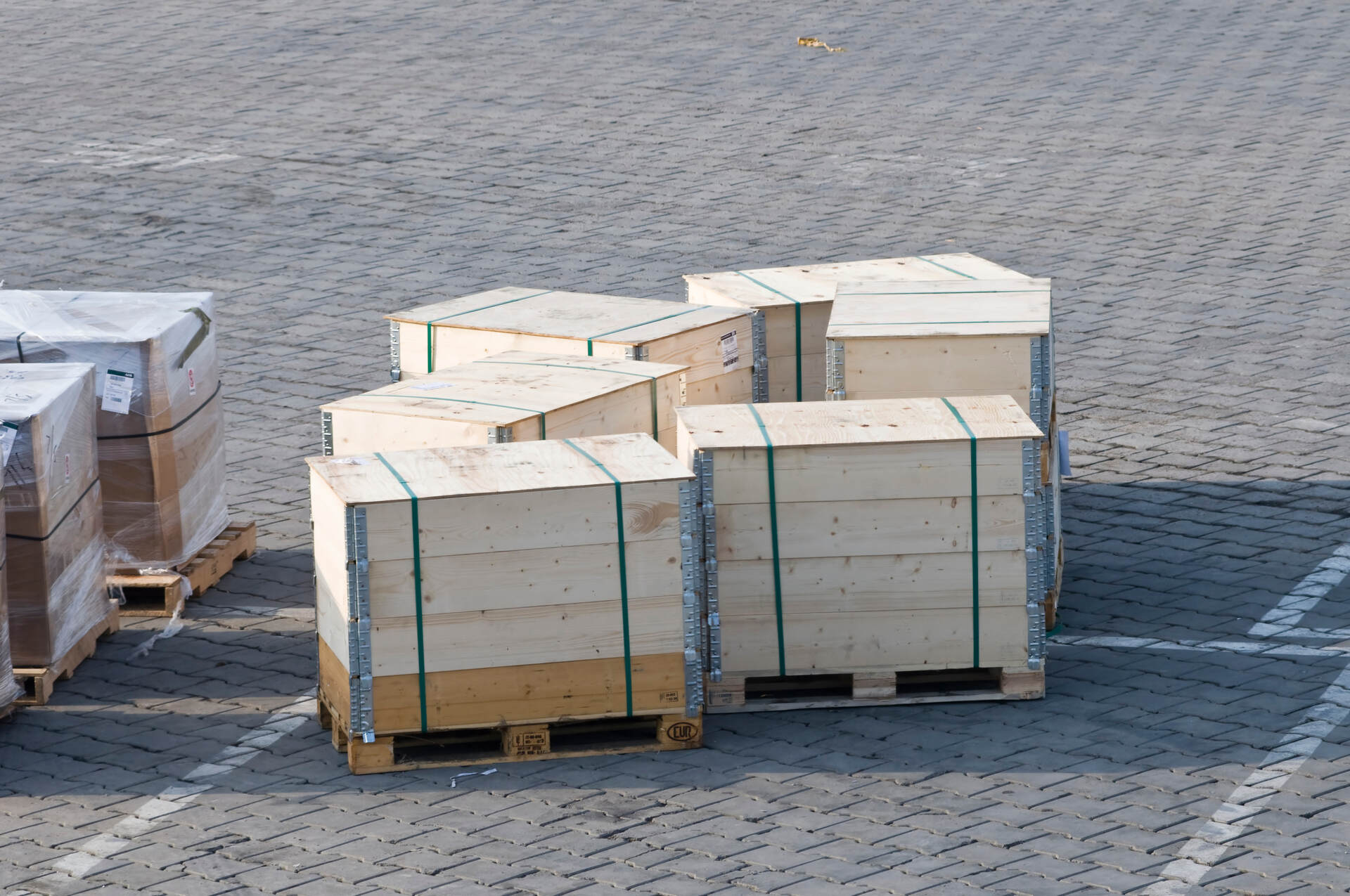
In the case of transporting something that cannot be replaced, the concept of acceptable risk is not applicable in most cases. All aspects of safety, such as strengthened containers, security escorts, represent a cost-effective investment in terms of loss. There is never any scenario where prevention is more expensive than replacement in high-value transport.
Layered security solutions, which consist of physical security and cyber security, are also used by some companies. This two-layered system is to address the situation when the data of shipment is threatened to be hacked or abused- an increasingly dangerous risk in online logistics management.
One should also keep in mind that transport security is an ecosystem. One can cut corners in one place and it might affect the whole chain. As an illustration, using expensive packaging but compromising on the driver training, or tracking technology will cancel the advantage. Each detail matters.
So, What Does It Really Cost?
No single price is available since each delivery is unique as the product. The bottom line is affected by such factors as distance, value, fragility, and regulatory complexity. Even the transportation of treasured paintings locally could cost a couple of thousands, whereas the transportation of delicate materials or luxury goods internationally could hit the six figures.
The real cost of this is not necessarily monetary–but is it a peace of mind. A small price premium of reliability and transparency will spare headaches, reputation, and even legal hassles in the future. The most intelligent clients are not the least paying ones, but the ones who know where all the money is spent- and why.
You may be a hobby collector, you may be a logistics planner, you may even be the owner of a business that deals in valuable commodities: knowing these expenses will enable you to plan more effectively, negotiate more wisely and safeguard what is really important. All the same, with this business, it does not really count how fast or cheap a job is done, it is just that the cargo is received untouched, unaltered and unquestioned.