 628-215-4106
 info@ilovemoving.com





When planning a move, one practical question often comes up early: should you use cardboard boxes or plastic moving bins? Moving can be exciting, stressful, chaotic, and overwhelming, all at the same time. One question almost every mover asks at some point is: “Should I use cardboard or plastic shipping boxes?” It sounds simple, yet the answer depends on how you’re moving, what you’re packing, and even how long your move will take.
What Are Cardboard and Plastic Moving Boxes?
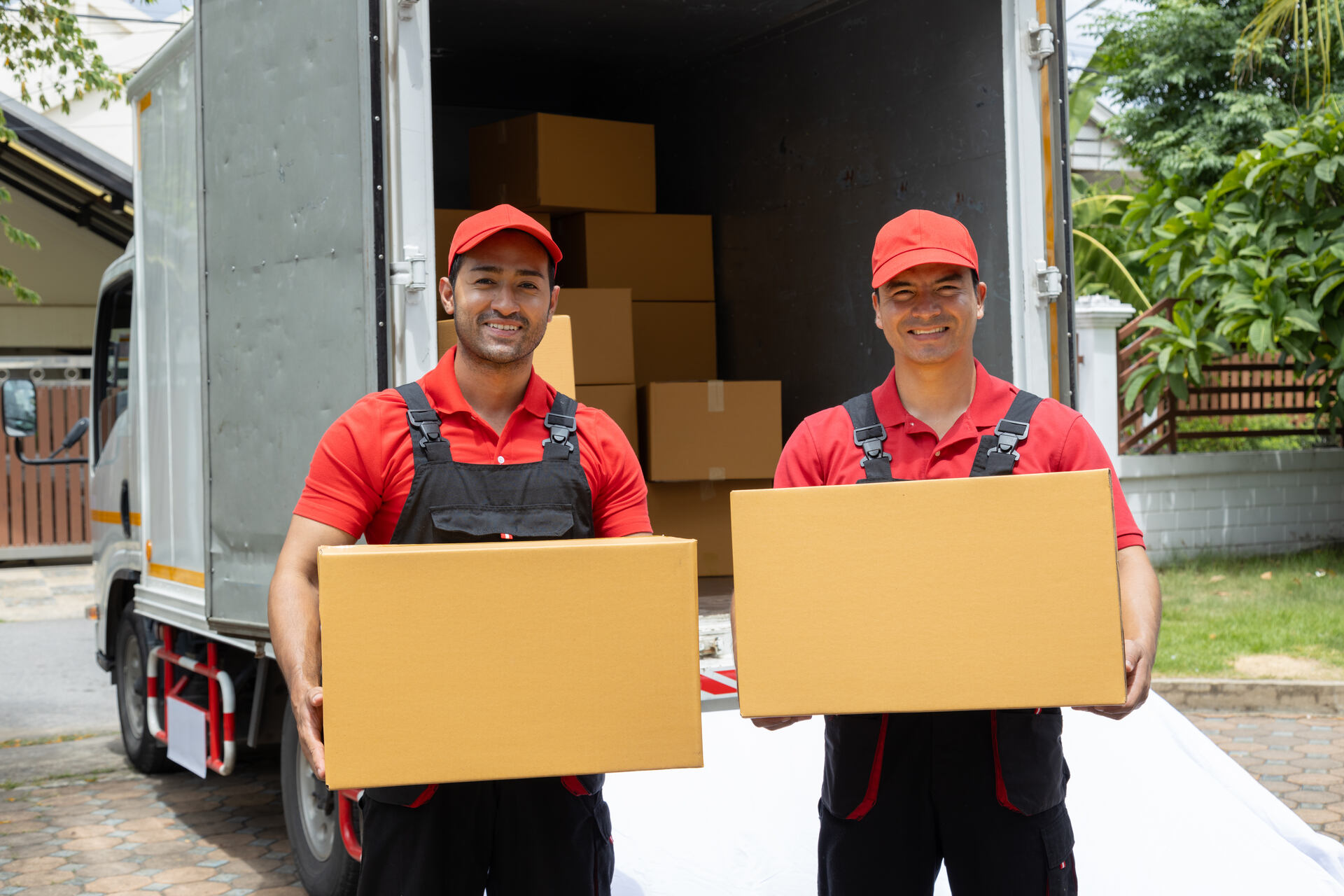
Cardboard moving boxes are made from corrugated fiberboard and are widely available in a range of sizes. They are lightweight, easy to label, and commonly used for residential relocations. Plastic moving boxes, by contrast, are rigid containers made from durable plastic, often designed with attached or snap-on lids for stacking and transport.
Both types can safely transport household items when used appropriately. The main differences lie in performance and long-term value.
Cost Considerations: Which Is Easier on Your Wallet?
From a purely financial perspective, cardboard boxes typically require a lower upfront investment. They can be purchased inexpensively from hardware and office supply stores, and in some cases sourced second-hand at little or no cost. For a one-time move, especially over a short distance, cardboard is often the more economical option.
Plastic boxes generally cost more initially, whether purchased outright or rented from a moving service. However, their durability means they can be reused multiple times. Most people who choose plastic boxes either rent them from a moving service or buy them for long-term storage.
If you plan to move many times or hold onto boxes for future use, plastic boxes may actually be more cost-effective over the long run.
Durability For Protecting Your Belongings
Durability is where the two materials differ most clearly. Cardboard performs well under normal conditions, particularly for lighter items such as clothing, linens, and household goods. However, it can weaken and damage under other conditions:
- Edges can crumple
- Bottoms can give in under heavy weight
- They aren’t great in damp or wet conditions
Cardboard is excellent for lighter, non-fragile items such as clothes, linens, or pillows. But when it comes to heavy or delicate stuff? Not so much.
Plastic bins are structurally stronger and more resistant to impact. They maintain their shape when stacked and are less likely to collapse under heavier loads. They can handle many tough conditions:
- Resistant to water and moisture
- Won’t rip or crush easily
- Great for stacking
- Best for long storage or long moves
This makes them particularly suitable for books, kitchenware, tools, electronics, and other fragile or weighty items that benefit from added protection.
How They Perform in Weather & Environmental Conditions
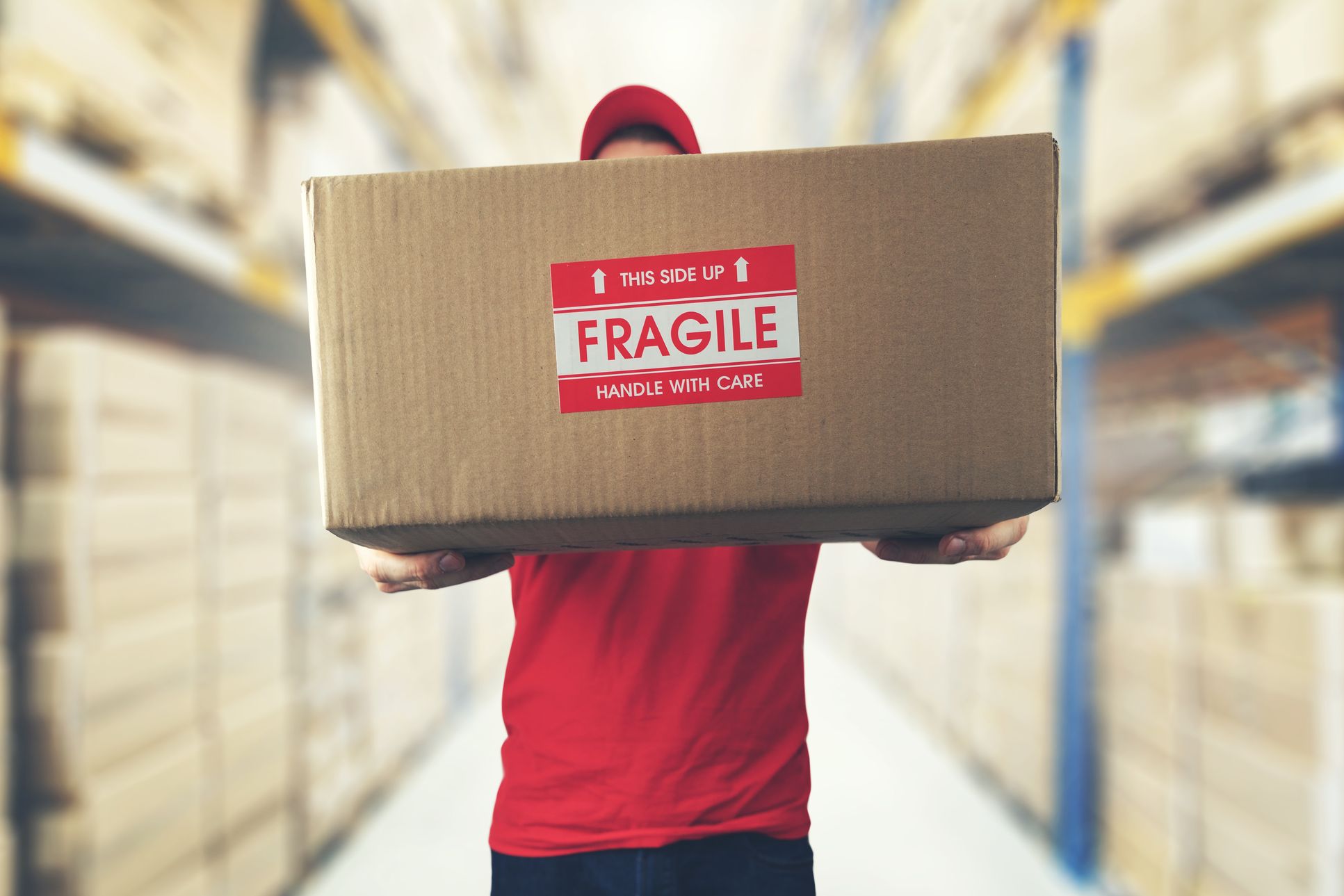
Weather can significantly affect packing materials. Cardboard loves dry environments but hates rain, humidity, wet basements, and condensation. Having heavy rain during your move could weaken cardboard and damage your belongings. Moves that involve outdoor staging, long-distance transport, or unpredictable weather may require additional protective measures when using cardboard.
Plastic containers, on the other hand, are water-resistant and do not absorb moisture. In wet or humid climates, this can provide an added layer of reliability and reduce the risk of damage during loading and unloading. If you’re moving in a wet season, rainy climate, or long distance with unpredictable conditions, plastic boxes give you peace of mind.
Which One Is Better for the Planet?
Both materials carry environmental considerations. Cardboard is widely recyclable and often produced from recycled content. If kept dry and clean, it can be easily processed after use. If you recycle your cardboard boxes or get used ones from local sources, you’re significantly reducing waste. That said, if boxes are damaged by water or contamination, they may no longer be recyclable.
Plastic boxes are not biodegradable, but they are designed for repeated reuse. When used consistently over several years, whether for multiple moves or ongoing storage, their environmental footprint per use decreases. The sustainability of plastic largely depends on how long and how frequently it is reused. If you move regularly or keep them for storage, plastic can be eco-friendly in the long run.
Ease of Use and Storage
Cardboard boxes are easy to assemble, label, and break down after unpacking. They can be flattened and recycled or stored temporarily if needed. Their flexibility also allows for minor adjustments, such as adding dividers or trimming to fit specific spaces.
Plastic boxes offer convenience in stacking and securing contents, especially models with locking lids. After the move, they can double as storage containers for garages, basements, or seasonal items, maintaining structural integrity far longer than cardboard.

Which Is Better for Moving?
The short answer? There’s no single “best” for everyone.
For many moves, the most practical solution is not choosing one material exclusively, but using both strategically. Cardboard can handle lighter, bulkier household items efficiently, while plastic bins provide added protection for fragile or heavy belongings. This combination allows movers to manage costs without compromising durability where it matters most.
The appropriate choice depends on your budget, the distance and conditions of the move, the type of items being packed, and whether you plan to reuse the containers afterward. If you need help sourcing high-quality cardboard and plastic shipping boxes for your upcoming move, or want advice on what sizes to get, our team is here to guide you every step of the way.