
 628-215-4106
 info@ilovemoving.com



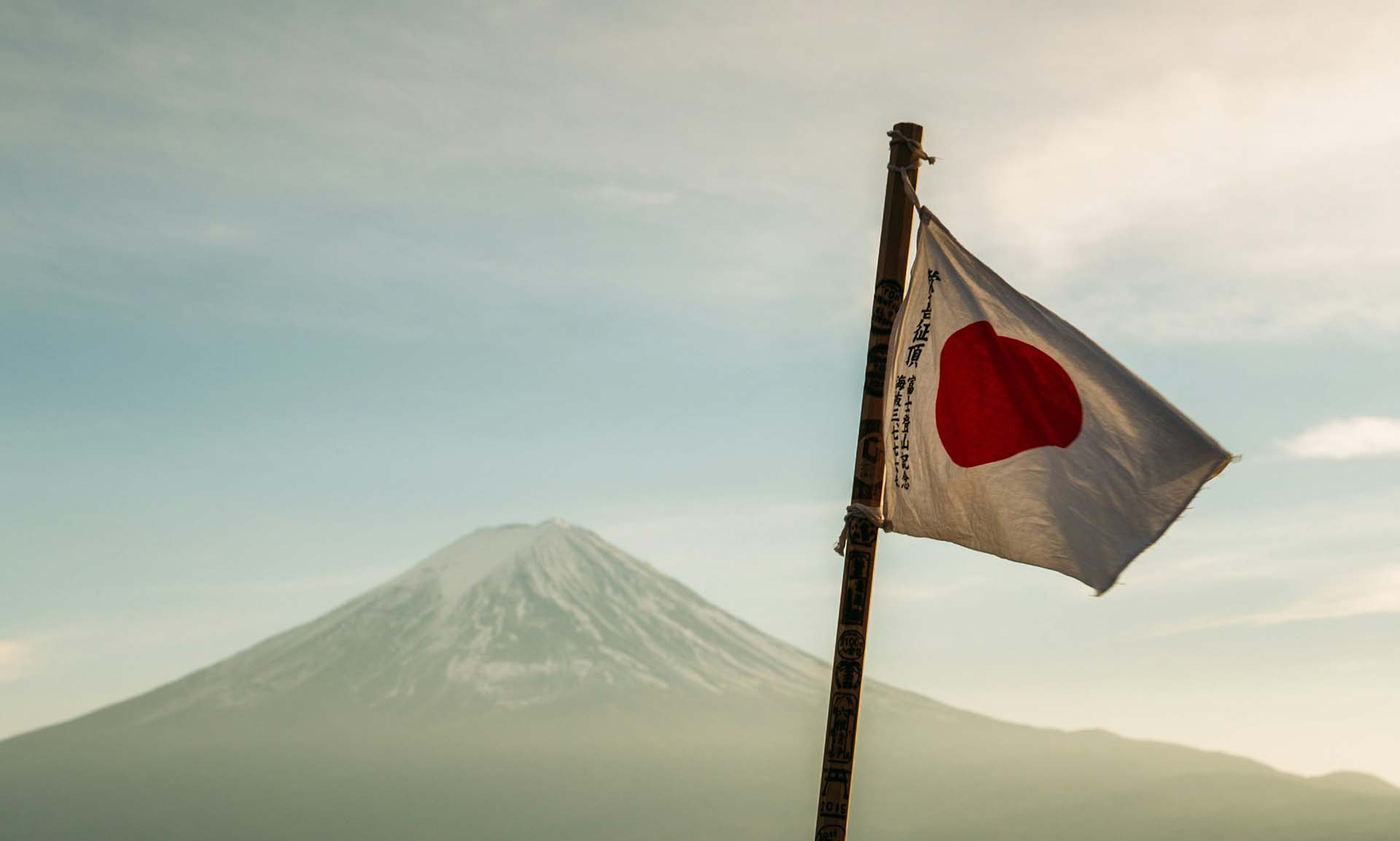

Of every destination an American might choose, moving from the USA to Japan brings the largest cultural shift by far. Whether a corporate transfer is sending you to Tokyo or you are starting fresh as an English teacher in Kyoto, crossing the Pacific means adjusting to a country that blends ancient tradition with futuristic technology. Daily life here follows its own quiet set of rules, and knowing them before you land makes the whole move far smoother.
The Art of Respect: Living by Wa Instead of Individualism
The first thing that surprises most newcomers is not the neon skyline. It is the sense of calm, even inside cities packed with tens of millions of people. Japanese society is built around Wa, the idea of group harmony, and that single concept quietly shapes almost everything around you.
American culture rewards standing out and speaking your mind. Japanese culture leans the other way, toward mutual respect, silence, and a steady effort not to disturb the people nearby. Neither approach is better than the other. They are simply different, and understanding the contrast early saves you from plenty of awkward moments in your first weeks.
You will feel this respect in ordinary places long before you notice it anywhere else. Shop staff greet you with genuine care, coworkers value patience and consensus over quick decisions, and neighbors keep shared spaces spotless without being asked. The reward for adapting is a daily life that feels considerate and predictable. Once you settle into that rhythm, a lot of the stress that comes with any big move quietly fades.
| Core value | What it emphasizes |
|---|---|
| Individual choice (USA) | Personal freedom and standing out |
| Social harmony, or Wa (Japan) | Group comfort and peaceful coexistence |
Essential Cultural Rules for US Expats
A few small habits will help you fit in from your very first week:
- Bowing (Ojigi): Handshakes are uncommon in daily life. A bow is how people greet each other, say thank you, and offer an apology. The depth of the bow shifts with the situation, but a small, polite nod goes a long way.
- Public transit etiquette: Phone calls on subways and bullet trains are considered rude. The shared quiet is something everyone protects, so keep your phone on silent and save calls for later.
- Following the rules: Sorting recycling into precise categories and waiting in orderly single-file lines are taken seriously. Respecting public regulations is simply expected, and locals notice when you make the effort.

Housing Reality: Why Your American Furniture Stays Behind
The biggest physical adjustment for Americans used to suburban homes and large yards is the size of Japanese living space. In most cities, compact housing is the norm, and that reality directly affects what you can bring with you. Getting comfortable with less square footage is part of the experience, and many expats grow to love how efficient and thoughtfully designed these smaller homes can be. Clever storage, sliding doors, and multi-use rooms make far more of the space than the floor plan suggests.
Here is the part many people underestimate. Japanese apartment buildings, hallways, stairwells, and elevators are designed for smaller, lighter items. A heavy American sectional sofa, a king-size bed frame, or an oversized double-door refrigerator often will not fit through the front door of a Japanese apartment. Measuring your furniture against the actual space is not optional, and doing it before you ship saves you money and frustration.
How Japanese Homes Are Measured and Entered
Two features tend to catch newcomers off guard:
- Tatami mat sizing: Rooms are rarely described in square feet or square meters. Instead, size is measured in tatami mats, so you will hear a space called a “6-tatami room.” Once you learn the reference, it becomes an easy shorthand for judging a place.
- The genkan entryway: Every home has a genkan, a slightly sunken entrance where you take off your outdoor shoes before stepping up onto the living floor. Wearing street shoes inside a home is seen as deeply disrespectful.
The genkan routine is simple once it becomes a habit. You step off your outdoor shoes at the lower level, then step up into slippers for the raised living space. Within a few days it feels completely natural, and you may even start doing it back home. Many homes also keep a separate pair of slippers for the bathroom, so watch for that small detail when you visit someone or move into a furnished place.


Japanese Bureaucracy: Why Hanko Stamps Still Beat Signatures
Japan leads the world in technology, yet many of its administrative processes remain refreshingly old-fashioned. Paper still rules, and electronic signatures often do not carry the same weight they do back home.
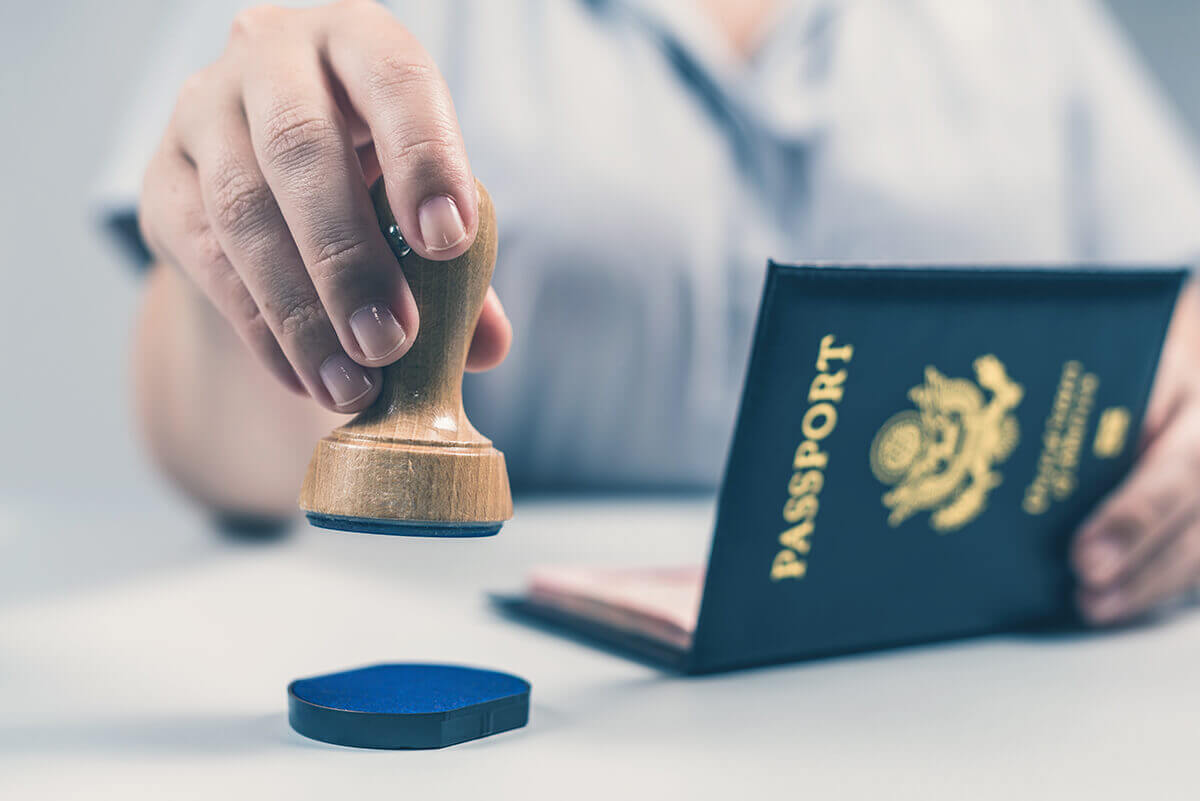
When you sign an apartment lease, open a local bank account, or set up a mobile phone plan, a written signature is frequently not accepted. What you need instead is a Hanko (also called an Inkan), a small personal seal carved with your name and pressed in red ink. Ordering a custom Hanko is one of the first tasks every US expat should tackle after arriving, because so much of your early paperwork depends on it.
Your First Steps After Landing
The early paperwork follows a fairly predictable order:
- Obtain your long-term visa at the US Embassy before you depart.
- Receive your Residence Card (Zairyu Card) when you enter through the airport.
- Register your address at the local ward office, or city hall, within 14 days.
- Order a personalized Hanko or Inkan stamp.
- Open a Japanese bank account and sign your apartment lease.
Handling these steps in order keeps everything moving. Skip the Hanko or the address registration, and the later steps tend to stall until you circle back.
Everyday Expenses and the Housing Market
Money in Japan comes down to two things: the upfront costs when you first move in, and the monthly expenses that follow. Rent swings widely depending on whether you settle in the capital or a quieter secondary city, so it helps to picture both before you decide where to live.
| Expense category | Tokyo (metropolitan) | Secondary cities (Osaka / Kyoto) |
|---|---|---|
| Studio / 1BR rent | $900 to $1,800 / month | $550 to $1,000 / month |
| Monthly public transit | $80 to $130 / month | $60 to $100 / month |
| Groceries (local vs imports) | Moderate local, high for US brands | Low to moderate |
| Utilities and internet | $120 to $200 / month | $100 to $160 / month |
One budgeting note worth remembering: imported American groceries carry a real premium. Leaning into local products keeps your food costs reasonable, and Japanese supermarkets make that easy with fresh, affordable staples. Tokyo will always cost more than Osaka or Kyoto, so if your job allows flexibility, a secondary city stretches your budget further while still offering excellent transit and amenities.
The Upfront Cost of Renting in Japan
Monthly rent is only half the picture. Signing a lease in Japan usually means paying several one-time fees at move-in, and the total can catch new arrivals off guard. Budget for these before you sign:
- Shikikin (security deposit): Usually one to two months of rent, refundable at the end of your lease, minus any cleaning or repair costs.
- Reikin (key money): A traditional, non-refundable gift to the landlord, often one to two months of rent. Not every property charges it, so it is worth asking.
- Guarantor company fee: Many landlords require a guarantor. If you do not have one in Japan, a guarantor company covers the role for a fee, typically a percentage of your monthly rent.
Add it all together and your first payment can equal four to six months of rent. Planning for that figure in advance keeps your arrival smooth and your finances calm.
Moving to Japan with I Love Moving
Relocating to the other side of the planet leaves no room for logistical mistakes. It also calls for a moving team that respects the culture you are stepping into. In Japan, care for belongings and property is held to an exceptionally high standard, and that same care is what defines I Love Moving.
Why Our White-Glove Service Fits Japan
- Attention to the smallest details: We do not just load boxes onto a truck. Our international white-glove team handles your belongings with the same care and respect you will see all around you in Japan.
- Honest sizing guidance: Thanks to years of experience with Asian housing standards, we tell you which furniture is worth bringing and which pieces are simply too large for Japanese doorways. That advice alone can save you thousands in shipping and customs costs.
- Precise packing: Our specialized wrapping methods protect delicate heirlooms, fine art, and electronics across the Pacific, so they arrive exactly as they left your home.

Our goal is straightforward. We want to turn your move to Japan into a calm, well-organized experience you can look back on happily. From the first phone call to the final box in your new apartment, the plan stays clear and the communication stays open.
The journey itself follows a simple path. It starts at your US residence with custom crating and careful packing. From there your belongings travel by cross-country transport and ocean freight, clear Japanese customs, and arrive at your new home ready for delivery. At every stage, someone on our team is accounting for your property as if it were their own.
A move of this scale rewards planning, and that is where working with an experienced international team pays off most. We help you decide what to ship and what to leave, coordinate the timing around your visa and lease, and keep you informed while your belongings cross the ocean. The result is fewer surprises and a lot more confidence on the day your boxes arrive. Relocating to Japan as an American is a bold step, and with the right partner it becomes an adventure you can fully enjoy.
Final Thoughts on Your Move to Japan
Moving from the USA to Japan asks more of you than most relocations, and it gives back just as much. You trade wide suburban space for thoughtful design, fast decisions for quiet consideration, and the familiar for something genuinely new. The learning curve is real, but it flattens quickly once the paperwork is sorted and your home starts to feel like yours.
With a clear plan, a realistic budget, and a moving team that treats your belongings with care, the whole transition becomes something to look forward to rather than dread. When you are ready to take the leap, I Love Moving is here to carry the weight, so you can focus on the adventure waiting on the other side of the Pacific.
FAQ
In most cases, no. Japan drives on the left, lanes are narrow, and city transit in places like Tokyo and Osaka is excellent. Importing a US vehicle means costly compliance retrofits, strict emissions testing (Shaken), and complicated customs paperwork. If you own a rare collector car, though, our specialty transport team can manage the shipping process for you.
Shipping from US West Coast ports usually takes 3 to 5 weeks. From the East Coast, plan for 5 to 8 weeks. Air freight is available for the priority items you want in hand as soon as you arrive.
Not well. The US runs on 120V at 60Hz, while Japan uses 100V, at 50Hz in the east around Tokyo and 60Hz in the west around Osaka. Dual-voltage devices like laptops and phones are fine. High-draw heat appliances such as hair dryers, coffee makers, and microwaves will not run efficiently and can be unsafe without heavy step-down transformers.
Start with your Residence Card at the airport, then register your address at the local ward office within 14 days. Order your Hanko stamp early, since your bank account and lease both depend on it. With those pieces in place, the rest of your setup falls into line quickly.