 628-215-4106
 info@ilovemoving.com




Swapping a stressful morning commute for a quiet walk along an untouched coastline is exactly the kind of change more American families are chasing right now, and if you are seriously thinking about moving from the USA to New Zealand, you are in very good company. Tech professionals, retirees, and outdoor lovers keep making this same leap toward a calmer life at the bottom of the world.
Why Americans Keep Choosing New Zealand
New Zealand sits among the most geographically isolated countries on Earth, so the obvious question is why so many people are willing to move there. The answer comes down to a quality of life that is genuinely hard to match anywhere else.
A Real Work-Life Balance
The exhausting hustle culture that shapes so much of corporate America barely registers here. Kiwis tend to work to live rather than live to work. Evenings and weekends are protected time, usually spent with family or outdoors, and long stretches of unpaid overtime are the exception rather than the norm.
Safety and Peace of Mind
New Zealand consistently ranks among the ten safest countries in the world. A low crime rate, a stable political system, and a strong sense of community make it an appealing place for parents who want their children to grow up somewhere secure.
A Life Built Around the Outdoors
This is a country where hiking (called “tramping” by the locals) and camping feel almost like national pastimes. The subtropical beaches of the North Island and the alpine peaks of the South Island are never far away. Here, nature is not just scenery. It shapes how people spend their free time.
The Visas That Get Americans Through the Door in 2026
New Zealand runs a demanding immigration system, but it is also refreshingly transparent. You cannot simply book a one-way flight and figure it out later. You need a clear legal basis for your stay. These are the routes most Americans rely on.
The Skilled Migrant Category Resident Visa
This is still the most popular path for American professionals. It runs on a points system that weighs your age (you must be under 55), your work experience, your qualifications, and, above all, a valid job offer from an accredited New Zealand employer.
Straight to Residence Visa (the Green List)
If your profession appears on New Zealand’s Green List, which covers high-demand roles like specialist doctors, ICT engineers, cyber-security experts, and construction managers, you have a real advantage. This visa offers a fast-tracked, direct route to permanent residency, and in some cases it applies from your very first day on the job.
Active Investor Plus Visa
New Zealand actively welcomes American entrepreneurs and investors. This visa replaced the older investor categories and requires meaningful capital placed into New Zealand businesses, managed funds, or philanthropy. The structure rewards direct investment and opens a flexible residency path for your whole family.
Working Holiday Visa (For the Under-30 Crowd)
Americans between 18 and 30 have access to one of the best entry points available. This visa lets you live, work, and travel across New Zealand for up to 12 months. Plenty of expats use that year to build a network and line up a long-term sponsor for a standard work visa while already living the island lifestyle.
One quick planning note: visa approval can take anywhere from a few weeks to several months. It pays to start your moving preparations and request a volume estimate from the I Love Moving team as soon as your visa reaches its final approval stages.


Crossing the Pacific: Distance and Shipping Logistics
This is where the dream meets the practical side of things. Moving from the USA to New Zealand is not a weekend project you can handle with a rented truck and a few friends. Your belongings are about to cross the largest ocean on the planet, and that changes everything about how you plan.
Where You Ship From and the Common Routes
Whether you leave from Los Angeles, Seattle, or New York, your household goods will spend real time on the water. Most shipments run from the US West Coast down to the major New Zealand ports of Auckland, Wellington, or Lyttelton, which serves Christchurch.
Because your goods are crossing such a vast distance, professional custom crating matters more than most people expect. Solid protection against moisture, movement, and rough seas is often the difference between a sofa that arrives in perfect shape and one that arrives ruined.
Your Main Shipping Options
Here is a simple breakdown of how most families get their belongings across:
| Shipping Method | Best For | Transit Time | Cost Factor |
|---|---|---|---|
| Air Freight | Urgent items, essential electronics, a few small boxes | 7 to 14 days | Highest (priced by weight) |
| Sea Freight (LCL) | Partial homes, shared container (Less than Container Load) | 6 to 8 weeks | Moderate (priced by volume) |
| Sea Freight (FCL) | Full 3 to 4 bedroom homes, 20ft or 40ft container | 5 to 7 weeks | Best value for large moves |
Here is a simple breakdown of how most families get their belongings across:Shipping Your Car to New Zealand
A lot of clients ask whether they should bring their car. New Zealand drives on the left, so steering wheels sit on the right. You can import a left-hand-drive American vehicle, but it has to meet strict emissions and safety standards, and daily driving can feel awkward on narrow roads where passing is tricky. For classic American cars or high-end luxury vehicles, though, car shipping to New Zealand is a service we handle regularly, using either Roll-on/Roll-off (RoRo) or enclosed containers for extra protection.

What to Bring and What to Sell
Every long-distance move raises the same question. Do you pack it, or sell it and buy new on the other side?
For New Zealand, bringing your household with you usually makes sense. Because the country is so isolated, it imports almost everything, which means quality furniture, modern appliances, and everyday homewares tend to cost noticeably more locally than they do in the US. You also will not find the giant discount warehouse stores you are used to back home.
If you own a comfortable mattress, a sturdy dining table, and furniture you actually like, filling a full container (FCL) with I Love Moving is usually far cheaper and far less stressful than furnishing an empty house from scratch after you land.

The MPI Challenge: New Zealand’s Strict Biosecurity Rules
This is easily the most important logistical hurdle of the entire move. New Zealand guards its ecosystem with some of the toughest biosecurity laws on the planet, enforced by the Ministry for Primary Industries (MPI).
The country depends heavily on agriculture and is home to plants and animals found nowhere else. A single foreign insect, seed, or trace of soil could cause serious ecological damage. That is why the rules leave no room for shortcuts.
Here is what it means for you in practice. Every outdoor item has to be spotless. If officials find dirt on your vacuum cleaner, grass on your tent, soil in the treads of your hiking boots, or cobwebs on your patio furniture, those items can be confiscated, fined, or sent to a quarantine cleaning facility at your cost.
How I Love Moving Handles the Hard Part
This is exactly where a professional team earns its keep. Long routes are our specialty, and the more demanding the destination, the more focused we get.
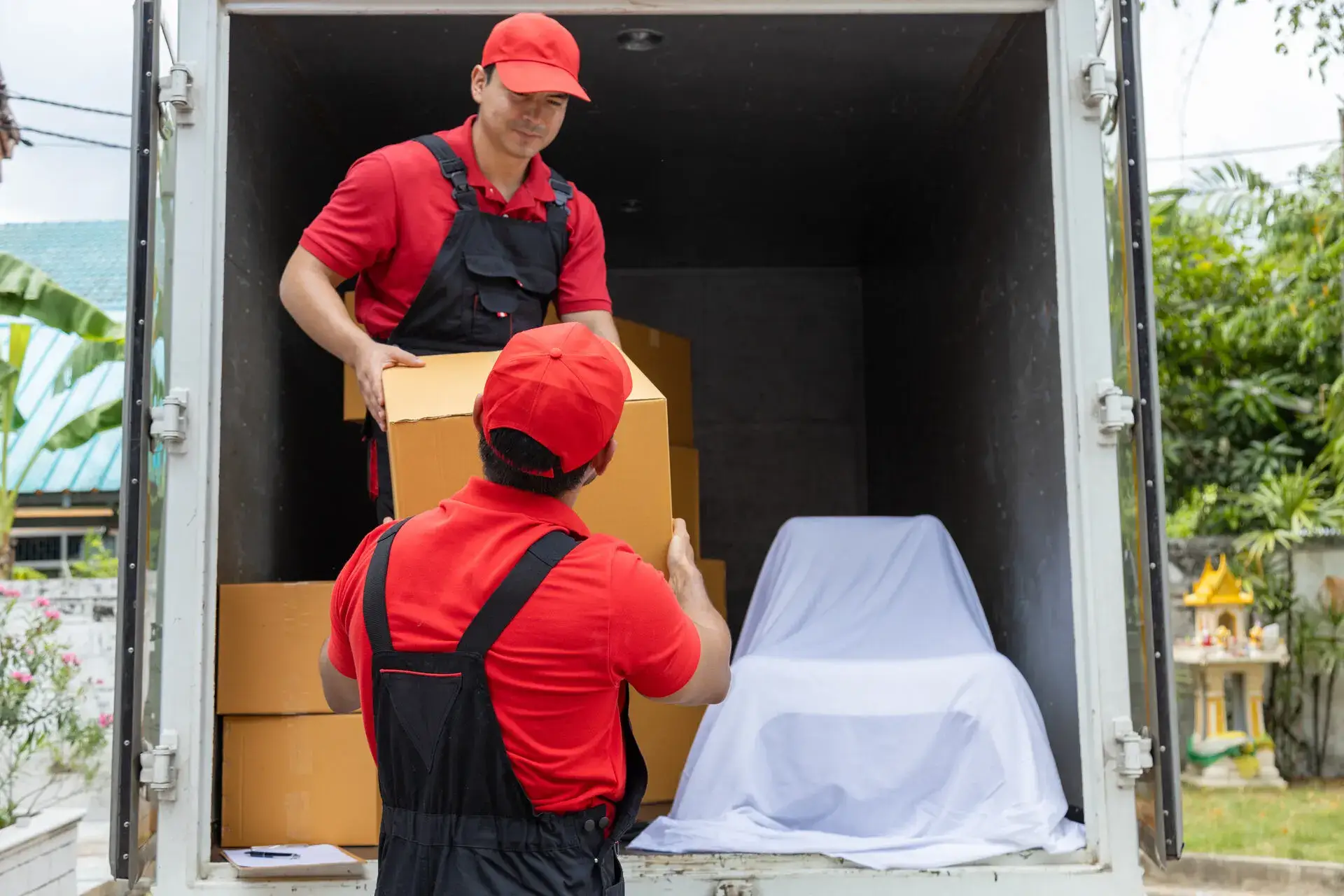
Our international team does far more than pack boxes. We prepare your shipment specifically for New Zealand’s biosecurity standards. We clean, prep, and wrap your outdoor gear, bicycles, and patio furniture so they meet MPI’s clinical requirements before they ever reach the port. That frees you up to focus on the exciting part of the move while we manage the heavy lifting and the paperwork.
What Daily Life Looks Like Once You Arrive
Settling into a new country means adjusting to a new rhythm. Here is what tends to surprise Americans the most.
The Cost of Living
Healthcare and education are heavily subsidized for residents, but everyday spending can still catch you off guard. As an island nation, New Zealand sees higher grocery prices, even on local staples like dairy and meat. The trade-offs help, though. You do not tip at restaurants, sales tax is already baked into the prices on the shelf, and healthcare premiums will not swallow a huge share of your paycheck.
The Housing Market
Kiwi homes are lovely, but they take some getting used to. Many older houses lack the central heating and heavy insulation Americans expect. The market in Auckland and Wellington is competitive and pricey. Most expats rent for their first year so they can learn the neighborhoods before committing to a purchase.
Jobs and the Economy
The economy is strong, powered by agriculture, tourism, and a fast-growing tech sector. Salaries can look a little lower on paper than what you might earn in California or New York. The full package tells a different story, though. Four weeks of mandatory paid vacation, generous sick leave, and comprehensive public healthcare create a genuinely supportive environment for workers.

Where to Settle: Top Destinations for American Expats
Your choice of city will shape your whole experience. These three are the most popular landing spots for arriving Americans.
Auckland
The “City of Sails” is New Zealand’s economic engine and its largest city. It suits tech professionals, corporate careers, and anyone who wants vibrant, multicultural city life. The trade-off is the highest housing costs in the country and the heaviest traffic.
Wellington
The capital sits at the southern tip of the North Island. It is known for a thriving arts scene, a booming IT sector, and a serious coffee culture. Many newcomers describe it as a smaller, windier San Francisco.
Christchurch
The “Garden City” on the South Island offers much more affordable housing and a slower pace of life. It also puts world-class skiing, hiking, and alpine scenery right on your doorstep.
Making Your Move to New Zealand Seamless
Moving from the USA to New Zealand is one of the great adventures, but managing logistics across roughly 8,000 miles leaves no room for guesswork. Between the strict MPI biosecurity rules and the careful crating your goods need for a trans-Pacific voyage, this is a move that rewards experience.
At I Love Moving, we love connecting people with new homes on the other side of the world. Our door-to-door service, careful packing, and deep knowledge of international customs give you the one thing that matters most during a move this big: confidence that your belongings will arrive safely. When you are ready to trade the ordinary for something extraordinary, our team is ready to help you start your Kiwi life on solid footing.
FAQ
A full container (FCL) by ocean freight generally takes 5 to 7 weeks from the US West Coast. Air freight is much faster at roughly 7 to 14 days, but the high cost usually limits it to essential items.
Yes, though the process is strict and needs early planning. New Zealand is rabies-free, so your pet will need a full round of vaccinations, blood tests, and microchipping months ahead of departure. On arrival, pets go through a mandatory 10-day quarantine at an approved MPI facility.
For citizens and residents, including those on a Resident Visa or a work visa valid for two years or more, public healthcare is heavily subsidized and often free for emergency and essential care. Many expats still add affordable private insurance to skip the wait for elective procedures.
Yes. The US is one of the few countries that taxes citizens on worldwide income no matter where they live. The good news is that the Foreign Earned Income Exclusion (FEIE) and Foreign Tax Credits keep most expats from being taxed twice. It is worth working with an expat tax specialist.
Beyond your furniture, pack warm indoor clothing. Because many traditional Kiwi homes have no central heating, expats quickly come to rely on merino wool layers, warm slippers, and heated blankets through the winter.